
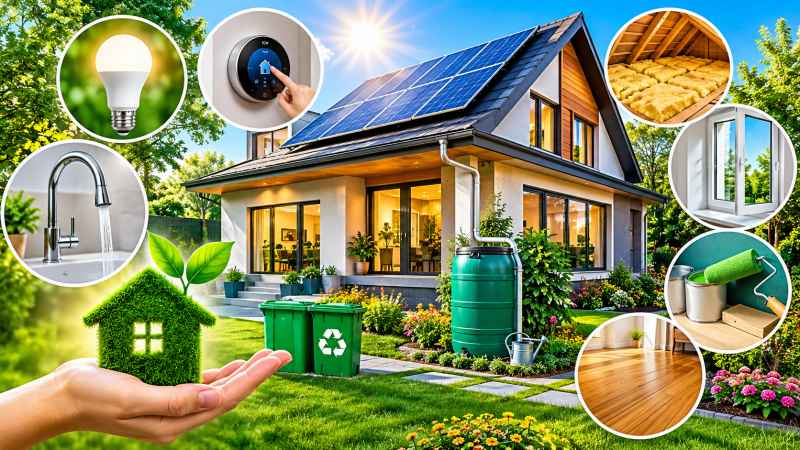
Creating a comfortable and beautiful home does not have to come at the expense of the environment. Today, homeowners can make smarter choices that reduce energy consumption, conserve water, minimize waste, and create healthier indoor spaces. By choosing sustainable materials and energy-efficient solutions, you can improve your property while protecting natural resources.
Eco-friendly home improvements offer several long-term benefits, including lower utility bills, a smaller carbon footprint, improved indoor air quality, and increased property value. Moreover, these upgrades can make everyday living more comfortable and environmentally responsible.
Whether you own a small apartment, a traditional family house, or a large modern property, you can introduce sustainable changes without completely renovating your home. From installing LED lighting to improving insulation and collecting rainwater, even small adjustments can make a meaningful difference.
In this complete guide, we will explore practical ways to make your home more sustainable, explain the benefits of different upgrades, and share useful tips for planning an environmentally responsible renovation.
1. Improve Energy Efficiency Throughout Your Home
Energy consumption plays a major role in household expenses and environmental impact. Therefore, improving energy efficiency should be one of your first priorities when planning a sustainable home upgrade.
Switch to Energy-Efficient LED Lighting
Traditional incandescent bulbs consume considerable electricity and release more heat. In comparison, LED bulbs use up to 90% less energy than traditional incandescent lighting and generally last much longer.
You can replace old bulbs in bedrooms, kitchens, bathrooms, hallways, and outdoor spaces with energy-efficient LED alternatives.
Additionally, consider installing motion sensors in less frequently used areas. These sensors automatically switch lights off when nobody occupies a room.
Benefits of LED lighting include:
- Lower electricity consumption.
- Longer bulb lifespan.
- Reduced replacement expenses.
- Less heat production.
- Different brightness and color options.
As a result, LED lighting provides an affordable starting point for homeowners who want to reduce their environmental impact.
Install Smart and Programmable Thermostats
Heating and cooling systems often consume significant amounts of household energy. However, smart and programmable thermostats help homeowners control indoor temperatures more efficiently.
These devices allow you to create schedules according to your daily routine. For example, you can reduce heating or cooling when everyone leaves home and restore comfortable temperatures before they return.
Furthermore, many smart thermostats offer remote control through mobile applications. Some models also learn household preferences and adjust temperatures automatically.
Choose a compatible thermostat that works with your existing heating and cooling equipment.
Consider Solar Power Solutions
Solar energy provides an excellent opportunity to reduce dependence on conventional electricity sources. Rooftop solar panels convert sunlight into electricity, which can power household appliances, lighting, and other electrical equipment.
You can also explore additional solar solutions, such as:
- Solar water heaters for domestic hot water.
- Solar-powered garden lights.
- Solar outdoor security lighting.
- Battery storage systems for backup electricity.
Before installing a solar system, evaluate your roof condition, available sunlight, electricity consumption, and installation costs. A professional assessment can help you choose the right system for your property.
Upgrade to Energy Star Appliances
Older household appliances often consume more electricity and water than modern efficient models. Therefore, replacing outdated equipment can improve household efficiency.
Look for ENERGY STAR-certified refrigerators, washing machines, dishwashers, and HVAC equipment where the certification is available.
Before purchasing an appliance, compare its energy consumption, annual operating costs, capacity, and expected lifespan. This approach helps you select equipment that delivers long-term savings rather than focusing only on the initial purchase price.
2. Improve Home Insulation and Windows
Proper insulation helps maintain comfortable indoor temperatures throughout the year. It also reduces the workload on heating and cooling systems.
Seal Air Leaks Around Doors and Windows
Small openings around doors, windows, and other building connections allow conditioned air to escape. Consequently, your heating and cooling systems must work harder to maintain comfortable temperatures.
You can address this problem with simple materials, including weatherstripping and caulk.
Apply weatherstripping around movable doors and window sections. Use suitable caulk to seal stationary gaps and cracks.
Also, inspect areas around electrical outlets, plumbing openings, and attic access points. However, never seal required ventilation openings or combustion-air supplies.
Install Energy-Efficient Windows
Old single-pane windows often provide limited insulation. Upgrading to double-pane windows can reduce unwanted heat transfer and improve indoor comfort.
For better performance, consider windows with:
- Double-pane or triple-pane glass.
- Insulating gas between glass layers.
- Low-emissivity (Low-E) coatings.
- Appropriate low-U-factor ratings.
- Well-sealed frames.
These features help reduce heat loss during colder months and limit unwanted heat gain during warmer seasons.
Additionally, use suitable curtains or blinds to control sunlight and improve privacy.
Add Sustainable Insulation Materials
Insulation improves energy efficiency by slowing heat movement through walls, ceilings, and roofs.
Homeowners can choose from several insulation materials, including:
- Recycled denim insulation.
- Cellulose insulation.
- Fiberglass batts.
- Mineral wool.
- Other suitable plant-based insulation products.
Blown-in cellulose and traditional batting insulation can work well in different building areas. However, always consider moisture resistance, fire safety, local climate, and installation requirements before selecting a material.
3. Reduce Household Water Consumption
Water conservation is another important part of sustainable home design. Everyday activities such as showering, washing dishes, doing laundry, and watering gardens can consume substantial amounts of water.
Fortunately, efficient plumbing fixtures and smarter household habits can reduce unnecessary consumption.
Install Low-Flow Plumbing Fixtures
Low-flow faucets, showerheads, and toilets help reduce water consumption without sacrificing everyday convenience.
Look for WaterSense-labeled products where the certification is available. These fixtures meet established water-efficiency and performance standards.
You can also install faucet aerators to reduce water flow while maintaining useful water pressure.
Furthermore, repair leaking taps and running toilets as soon as possible. Even small leaks can waste significant amounts of water over time.
Consider Tankless Water Heaters
Traditional storage water heaters maintain a supply of hot water, which can create standby energy losses.
Tankless water heaters operate differently. They heat water when someone opens a hot-water tap instead of continuously storing heated water.
These systems can provide several advantages:
- Reduced standby heat loss.
- On-demand hot water.
- Compact installation options.
- Potential energy savings.
- No large storage tank.
However, installation costs, fuel requirements, electrical capacity, and household hot-water demand should influence your decision.
4. Choose Sustainable Building Materials and Finishes
The materials you select during renovation can influence indoor air quality, waste production, and environmental impact.
Therefore, prioritize durable, responsibly sourced, recycled, and low-emission materials whenever possible.
Use Low-VOC or Zero-VOC Paints
Conventional paints can release volatile organic compounds (VOCs) into indoor air. These emissions may contribute to unpleasant odors and poor indoor air quality.
Low-VOC and zero-VOC paints offer a better alternative for environmentally conscious homeowners.
Use these products when painting bedrooms, living rooms, kitchens, and other indoor spaces. Also, maintain proper ventilation during application and follow the manufacturer’s safety instructions.
Select Sustainable Flooring Options
Flooring can significantly influence the appearance and environmental performance of your home.
Instead of choosing materials that require extensive resource extraction, consider sustainable alternatives such as:
- Bamboo: A rapidly renewable material that offers a natural appearance.
- Cork: A renewable flooring option with comfortable and insulating properties.
- Reclaimed wood: Salvaged timber that gives existing materials a second life.
- Recycled glass: An attractive option for selected countertops and decorative surfaces.
- Recycled-content tiles: Durable products that incorporate previously used materials.
Always check product quality, manufacturing practices, adhesives, and maintenance requirements before making a final decision.
Reuse and Recycle Existing Materials
You do not always need to purchase brand-new materials for renovation projects.
Instead, reuse existing cabinets, restore wooden furniture, refinish doors, and repurpose suitable construction materials.
For example, you can transform an old wooden table into a decorative centerpiece or reuse reclaimed timber for shelving.
These practical choices reduce waste and help you control renovation expenses.
5. Create an Environmentally Friendly Outdoor Space
Sustainable improvements should extend beyond your home’s interior. Your garden, patio, driveway, and outdoor living areas also offer opportunities to protect natural resources.
Plant Native and Drought-Tolerant Plants
Native plants naturally adapt to local weather conditions and soil characteristics. Therefore, they often require less maintenance and supplemental watering than unsuitable exotic species.
Choose drought-tolerant plants for areas that receive limited rainfall. Additionally, group plants according to their water requirements to make irrigation more efficient.
You can also use mulch around plants to reduce moisture evaporation and control unwanted weeds.
Install Rain Barrels
Rainwater harvesting provides a simple way to collect water from rooftops.
Connect a rain barrel to a suitable downspout and use the collected water for garden irrigation and other permitted outdoor activities.
However, install a secure lid and screen to prevent insects and debris from entering the container. Also, follow local regulations and avoid using untreated collected rainwater for drinking.
Choose Permeable Outdoor Surfaces
Traditional concrete and asphalt surfaces prevent rainwater from naturally entering the soil. This can increase surface runoff and contribute to drainage problems.
Permeable pavers offer an alternative because they allow water to pass through gaps and reach the ground below.
Consider using permeable materials for patios, garden pathways, and suitable driveway areas. These surfaces can support better stormwater management while creating attractive outdoor spaces.
6. Plan Your Sustainable Home Renovation Budget
A successful renovation requires proper planning. Although some improvements involve higher initial expenses, many provide long-term financial and environmental benefits.
Start by identifying the areas where your home wastes the most energy or water. For example, outdated appliances, poor insulation, and leaking plumbing may deserve immediate attention.
Next, divide your renovation plans into three categories:
Low-cost improvements: Replace traditional bulbs with LEDs, seal small air leaks, install faucet aerators, and repair plumbing leaks.
Medium-cost improvements: Upgrade windows, improve insulation, install efficient appliances, and replace outdated plumbing fixtures.
Long-term investments: Install rooftop solar panels, upgrade major heating and cooling systems, and complete extensive sustainable landscaping projects.
Compare installation expenses with expected operating savings before making major purchases. Moreover, check local incentives, rebates, and financing programs that may support energy-efficient renovations.
7. Benefits of Eco-Friendly Home Improvements
Sustainable upgrades provide advantages that extend beyond environmental protection.
Here are some important benefits:
| Benefit | How It Helps |
|---|---|
| Lower utility bills | Efficient appliances, lighting, and insulation reduce energy consumption. |
| Reduced carbon footprint | Renewable energy and lower household energy demand reduce emissions. |
| Better indoor air quality | Low-VOC paints and suitable materials reduce indoor chemical emissions. |
| Water conservation | Efficient plumbing fixtures reduce unnecessary water consumption. |
| Improved comfort | Better insulation and windows help maintain stable indoor temperatures. |
| Increased property appeal | Sustainable features can attract environmentally conscious buyers. |
| Reduced waste | Reusing and recycling materials limits unnecessary disposal. |
The overall results depend on your property’s condition, local climate, available resources, and the quality of installation.
8. Common Mistakes to Avoid During Sustainable Renovations
Even well-planned renovation projects can create problems when homeowners overlook important details.
Avoid these common mistakes:
- Choosing products based only on price: Cheap products may require frequent replacement and create higher long-term expenses.
- Ignoring insulation problems: Installing efficient appliances will not solve major air leaks or poor insulation.
- Selecting unsuitable materials: Always consider local weather, moisture conditions, durability, and maintenance.
- Overlooking water leaks: Even an efficient home wastes resources when plumbing fixtures continue leaking.
- Making unnecessary replacements: Repairing and maintaining existing products can sometimes provide better environmental value.
- Skipping professional inspections: Electrical, plumbing, roofing, and solar installations may require qualified professionals.
A balanced approach helps you avoid unnecessary expenses and achieve better renovation results.
Conclusion
Building a sustainable home does not require completing every renovation project at once. Instead, focus on practical improvements that address your property’s biggest energy, water, and maintenance challenges.
Start with simple changes such as LED lighting, draft sealing, water-efficient fixtures, and responsible material choices. Then, consider larger investments such as improved insulation, efficient windows, solar power, and sustainable landscaping.
Eco-friendly home improvements create opportunities to reduce household expenses, protect natural resources, improve indoor comfort, and support a healthier environment. With thoughtful planning and consistent maintenance, you can transform your property into a more efficient and environmentally responsible living space.
Ultimately, every sustainable choice matters. Even small upgrades can contribute to meaningful long-term progress when homeowners make them part of their everyday lifestyle.
For more info visit Playbattlesquare